
Menopause: A Natural Phase in Women’s Health

Menopause is as natural a phase in a woman’s life as adolescence. It usually occurs between the ages of 45 and 55, but every woman’s journey can be a little different. While some women go through this process quite mildly, for others, sleep, mood, and daily energy balance may become more challenging.
Understanding the changes experienced during this period helps women feel more prepared both physically and mentally.
Menopause Is Not Just “The End of Menstruation”
In society, menopause is often discussed only as “the end of periods,” but the picture is actually much broader.
Some changes that may be seen in women include:
Hot flashes and night sweats
Disruptions in sleep patterns
Mood fluctuations
Dryness of the skin and mucous membranes
Decrease in energy levels
Increased risk of bone fragility
Changes in cholesterol levels and metabolism
Not every symptom appears in every woman, and the intensity varies from person to person.
Listen to What Your Body Is Telling You
One of the most important things during menopause is taking the body’s signals seriously. Waking up with hot flashes or feeling constantly tired during the day may seem “normal” and temporary, but these symptoms can affect quality of life.
During this period, many women realize:
How valuable quality sleep truly is
That regular movement makes them feel better
That emotions may fluctuate more quickly
That nutrition becomes more meaningful
Observing yourself carefully makes the process easier to manage.
Simple Ways to Support Yourself
Menopause is not a disease, but it is a period that requires a little more care. The following may make a noticeable difference in daily life:
✓ Sleep hygiene:A cool room, light pajamas, and sleeping at the same time whenever possible…
✓ Movement:Intense exercise is not mandatory; even brisk walking can support both mood and bone health.
✓ Supporting the skin and mucous membranes:Dryness is common, and moisturizers or suitable products may provide relief.
✓ Balanced nutrition:Calcium, vitamin D, protein, and adequate water intake are important for bone health and energy.
These are not treatments, but they may help improve daily comfort.
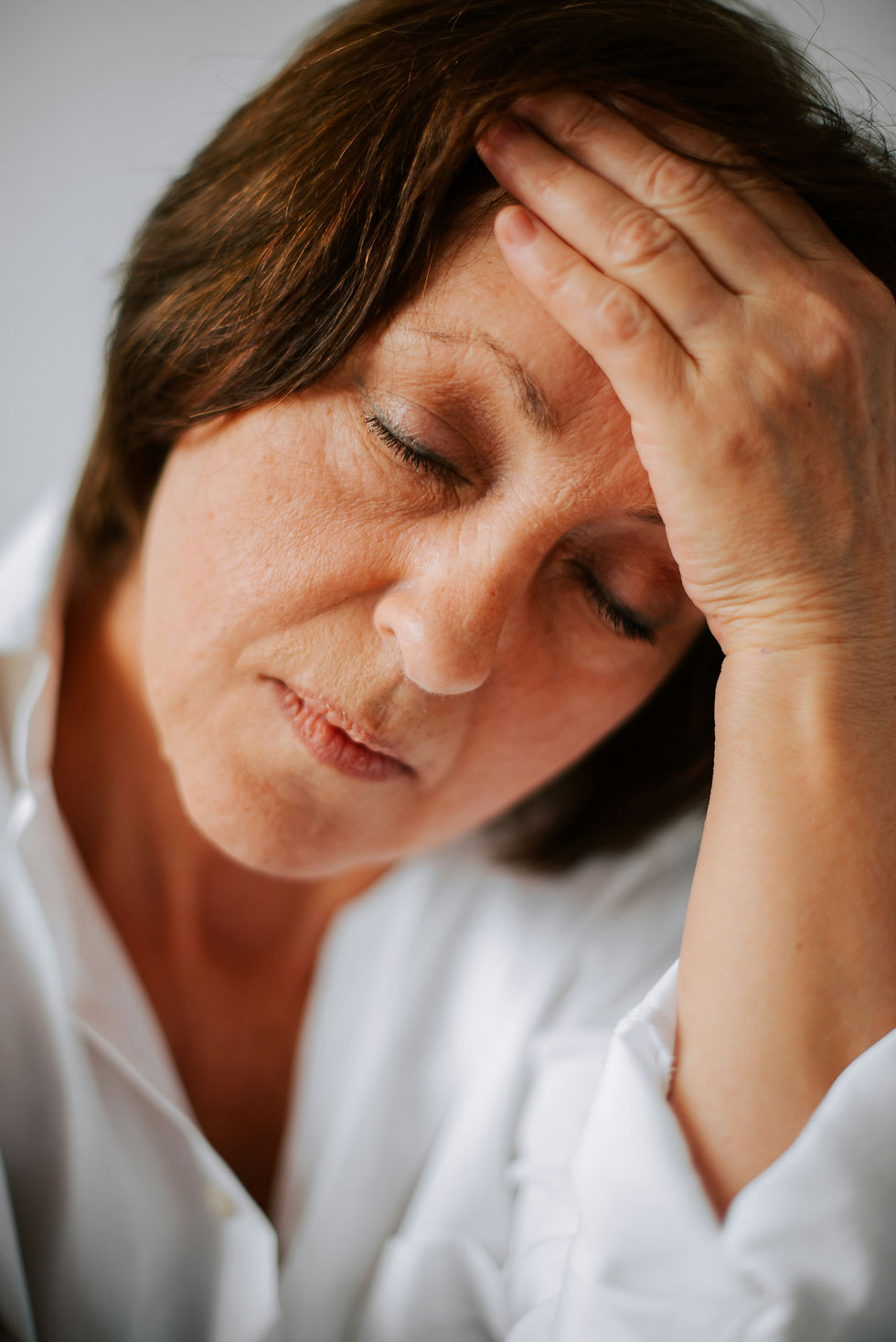
When Should You Consult a Healthcare Professional?
Every woman experiences menopause differently, but the following situations may require professional evaluation:
Significant insomnia
Unexplained weight changes
Severe mood changes
Hot flashes seriously affecting quality of life
Risks related to bone health
Irregular vaginal bleeding
During this period, the most accurate information and guidance should be provided by a gynecologist. When necessary, endocrinology, psychiatry, or other specialties may also become involved.
Our Approach as Bir Adım Sağlık
Within at-home care services, menopause is not directly considered a condition that is “treated.” However, during menopause, some women may seek support for chronic disease follow-up, bone health, sleep problems, or emotional well-being.
During this process, we prioritize:
Making accurate information more accessible
Guiding individuals to the appropriate medical specialties
Planning at-home healthcare services when needed
You do not have to go through menopause alone; accurate information and support can make the process much more comfortable.


Comments